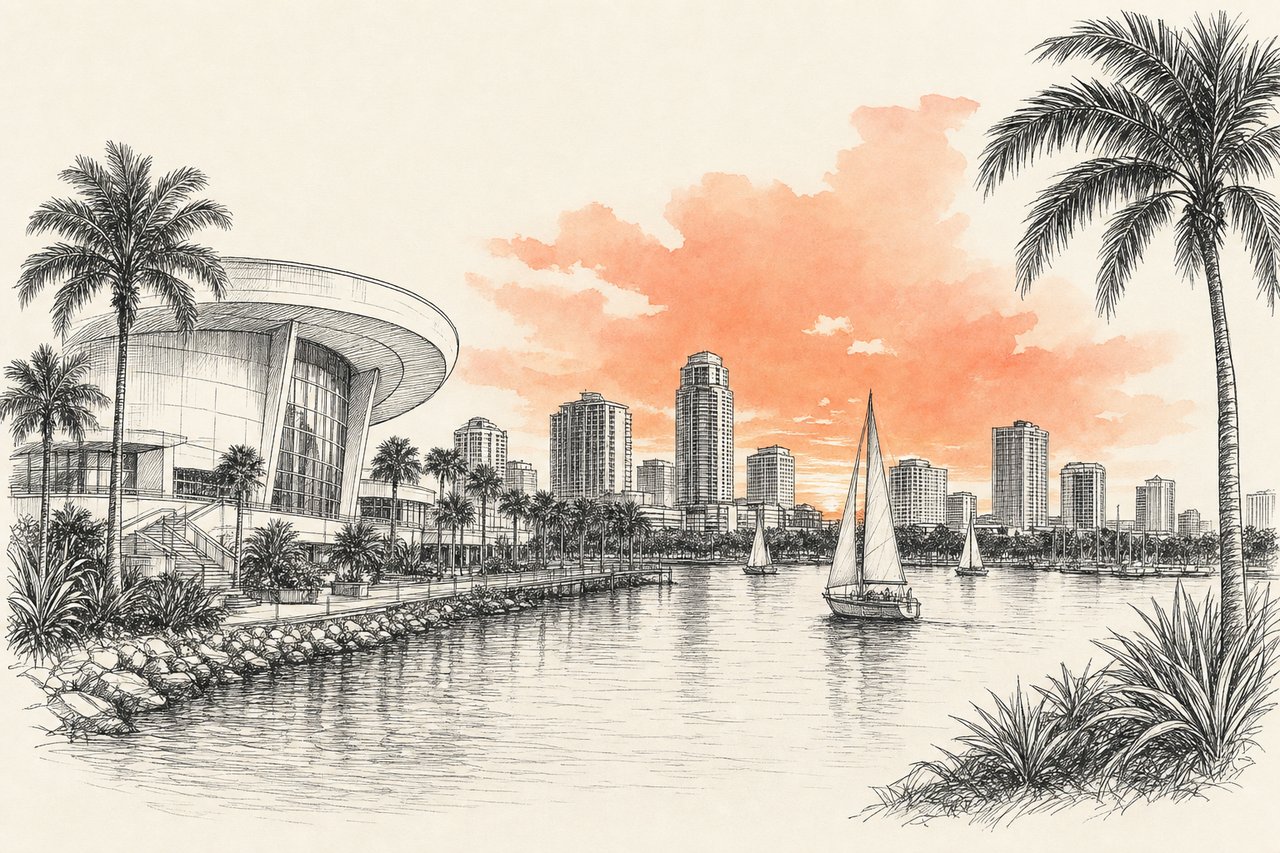
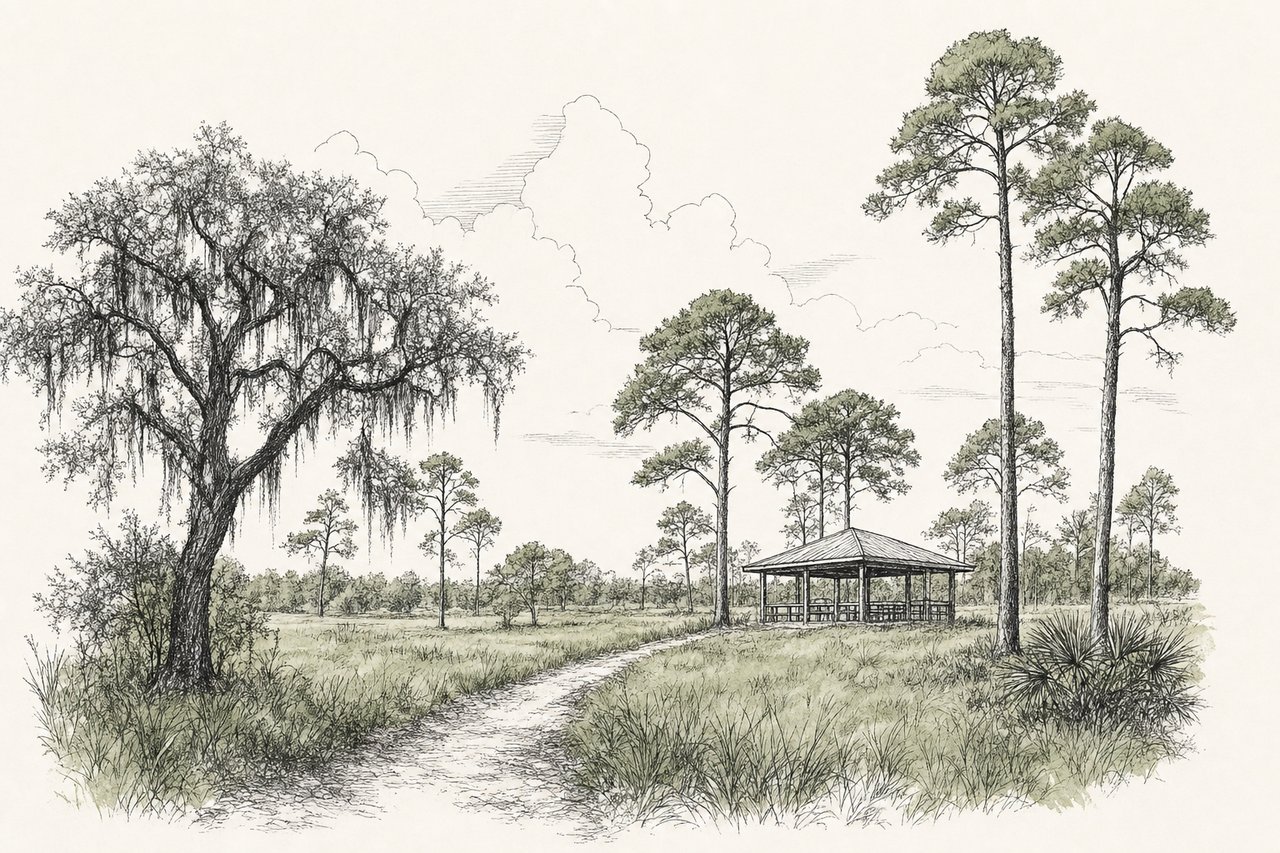
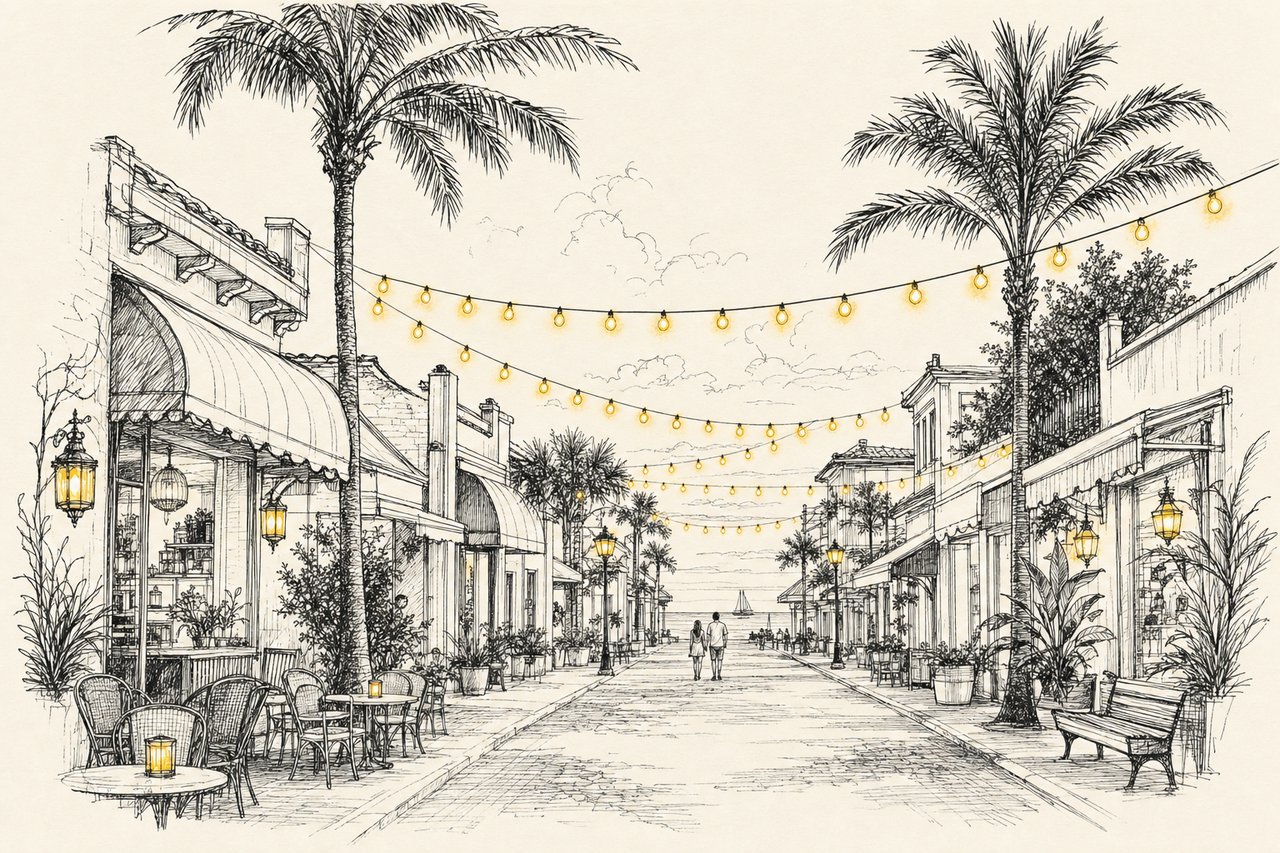
The 55 and over communities in Tampa Bay range from 1970s waterfront condos in Gulfport to brand new single family neighborhoods in Pasco and golf cart towns in southern Hillsborough, and each one runs under the same federal rules.
This guide explains how age restricted housing works under federal law, what changed in Florida, how condos, villas, single family homes, and manufactured home communities compare, and what real communities have sold for in 2026. It also covers fees, the rules on guests and pets, resale, insurance, and how the homestead exemption and portability can help if you are downsizing.
We are grateful to help buyers find the next chapter that fits the way they want to live. Here is what we want every 55 and over buyer to know before touring.
What Makes a Community 55 and Over?
A community can legally limit who lives there by age only if it qualifies under the Housing for Older Persons Act, a federal law that carves out an exception to the Fair Housing Act's protection for families with children. Without that exception, a neighborhood could not turn away a family with kids. With it, the community can set age rules, as long as it keeps meeting three tests.
The 80 percent rule
At least 80 percent of the occupied homes must have at least one resident who is 55 or older. That means a couple where one spouse is 58 and the other is 52 qualifies. It also means up to 20 percent of homes may be occupied by people under 55. The community decides how it uses that 20 percent, and many use it only for cases like a surviving spouse who is younger.
Published intent
The community must publish and follow policies that show it is meant for people 55 and older. HUD looks at the governing documents, the rules, the advertising, how the community describes itself to buyers, and whether it applies its procedures the same way to everyone.
Age verification
The community must verify the ages of its residents and update that survey at least once every two years. Acceptable proof includes a driver's license, passport, birth certificate, military ID, or a signed statement from an adult in the home. As a buyer, expect to show ID during the approval process. That is normal, and it is part of what keeps the age rules in force.
What Is the Difference Between 55 and Over and 62 and Over?
A 55 and over community needs at least one resident age 55 or older in 80 percent of its homes, while a 62 and over community must be occupied entirely by people who are 62 or older. That is the big difference. The 62 and over standard has no 20 percent allowance, so a younger spouse or partner cannot live there full time.
Most of the active adult neighborhoods you will see in Tampa Bay listings use the 55 and over standard. It gives couples with an age gap more room, and it gives the community some flexibility. If you see 62 and over, read the documents closely and make sure every person who will live in the home meets the rule.
Do Florida 55 and Over Communities Still Register With the State?
No, Florida stopped requiring 55 and over communities to register with the Florida Commission on Human Relations as of July 1, 2020. For years, associations filed a registration with the commission and sent a compliance letter every two years. House Bill 255, signed on June 30, 2020, removed both steps.
That change did not remove the federal rules. Every community that wants to keep its age restrictions still has to meet the 80 percent test, publish and follow its policies, and update its age survey at least every two years. If you see an old registration certificate in a community's paperwork, it is history, not a current requirement.
For a buyer, the practical step is simple. Ask the association or management company for the current age policy, the most recent age survey summary, and the approval application. A well run community will have all three ready.
Condos, Villas, Single Family, or Manufactured Homes: Which Fits You?
The right home type depends on how much maintenance you want, how much you want to spend each month, and whether you want to own the land under your home. Each option has a different cost structure, and each one carries different paperwork.
Condos
You own the inside of your unit and a share of the common areas. The association owns and insures the building. Monthly fees are usually higher than in a single family neighborhood because they cover the roof, the exterior, reserves, and often water, trash, and cable. Condos tend to be the lowest purchase price in a given area, and many sit close to the water.
Villas
In Florida, a villa usually means an attached home that shares a wall with one or two neighbors, often a single story. Many villas are part of a homeowners association that handles the lawn and sometimes the roof and exterior paint. They often feel like a house with condo style upkeep.
Single family homes
You own the house and the lot. The homeowners association covers the amenities and common areas, and sometimes lawn care. Newer active adult communities in Pasco and Hillsborough are mostly single family homes built in the last ten to fifteen years.
Manufactured home communities and Chapter 723
In a land lease community, you buy the home but rent the lot it sits on. The monthly lot rent covers the land and often some services. Florida's Mobile Home Act, Chapter 723 of the Florida Statutes, sets the ground rules.
- The prospectus: parks with 26 or more lots must give you a state approved prospectus before your lot rental agreement can be enforced. Once you receive it, you have 15 days to void the agreement if you change your mind.
- Rent increase notice: the park owner must give at least 90 days notice before a lot rent increase takes effect at renewal.
- Pass through charges: some taxes and utility costs can be passed on to residents if they were disclosed and are not already in the lot rent.
- Resident owned parks: some communities are cooperatives, where residents own the land together and pay a monthly fee instead of rent to an outside owner.
The purchase price in a land lease community is low, but the monthly cost is real and it can rise. Read the prospectus, ask for the lot rent history, and plan your budget around the monthly number, not just the price.
Where Are the 55 and Over Communities in Tampa Bay?
Pinellas offers established condo and manufactured home communities close to the water, Pasco offers newer single family homes, and southern Hillsborough holds the largest active adult area in the region. Here is a sample of age restricted communities with 2026 figures from MLS based market reports and current listings.
Community | County | Home type | 2026 prices | Monthly fees noted |
|---|---|---|---|---|
Town Shores of Gulfport | Pinellas | Condos built in the 1970s | Median $197,500 for the 12 months ending September 2026 | Median about $776 among listings that report a fee |
On Top of the World, Clearwater | Pinellas | Condos | Median $145,000 on 216 sales for the 12 months ending August 2026 | Covers water, sewer, trash, cable, and exterior upkeep per a 2026 listing |
Sugar Creek Mobile Home Community, Largo | Pinellas | Manufactured, land lease | A 1984 home listed at $69,500 | Lot rent $821 |
Paradise Park Co-Op, Largo | Pinellas | Manufactured, resident owned | A 1982 home listed at $40,000 | $1,035, including water, sewer, trash, and lawn care |
Del Webb Bexley, Land O' Lakes | Pasco | Single family, built 2019 to 2024 | Median $492,500 for the 12 months ending September 2026 | $466 on a 2026 sale |
Valencia Lakes, Wimauma | Hillsborough | Single family, built 2011 to 2018 | Median $412,500 for the 12 months ending September 2026 | Median about $590 |
Sun City Center | Hillsborough | Villas and single family | Median about $275,000 for the three months through August 2026 | Neighborhood HOA plus an annual community association fee |
Kings Point, Sun City Center | Hillsborough | Condos, villas, and homes | Recent sales from about $50,000 to $297,000 | Covers a 24 hour gate, cable, internet, water, and more per a 2026 listing |
Pinellas
Town Shores of Gulfport offers multiple heated pools, pickleball and tennis courts, bocce, a marina, and kayak storage. On Top of the World in Clearwater offers pools, fitness centers, golf course views, shuffleboard, and a long list of clubs.
Pasco
Del Webb Bexley is a gated 55 and over neighborhood in Land O' Lakes, with a clubhouse, fitness center, pools, pickleball, and walking trails. Its 665 homes were built from 2019 to 2024, so buyers get modern floor plans and newer roofs.
Hillsborough
Sun City Center is the region's best known active adult area. It has three 18 hole golf courses, a network of golf cart streets, more than 200 resident clubs, and a hospital in the community. Kings Point is a gated section within Sun City Center with its own clubhouse, restaurant, and courts. Nearby, Valencia Lakes in Wimauma offers a 40,000 square foot clubhouse, resort and lap pools, a restaurant, and pickleball.
What Do the Rules Say About Guests, Grandchildren, Pets, and Rentals?
Federal law allows grandchildren and younger guests to visit a 55 and over community, but it does not require the community to allow it, so the rules that matter are in each community's own documents. Before you make an offer, read the declaration, bylaws, and rules, and ask the manager about anything that matters to your family.
Guests and visiting grandchildren
Most communities welcome visitors and set limits on how long a younger guest may stay. If you plan to host family for the holidays or for a summer week, ask for the exact rule in writing.
Pets
Pet rules vary widely. A 2026 listing at Town Shores noted that cats are allowed. A 2026 listing at On Top of the World noted breed restrictions. A 2026 listing at Kings Point said pets were not allowed in that building. A dog park in the amenity list is a good sign, but always confirm the rule for the specific building or section.
Rentals and approval
Many communities require the association to approve every buyer and every renter. Some limit how soon a new owner may rent, how often, or for how long. Renters usually must meet the same age rules as owners. If you might rent the home in the future or spend part of the year elsewhere, these rules affect both your plans and your resale.
- Ask for the current rules on guest stays and minors visiting.
- Ask for the pet policy, including size, breed, and number limits.
- Ask about rental minimums, waiting periods, and approval steps.
- Ask how long buyer approval takes, so it fits your closing date.
What Should You Know About Fees, Insurance, and Resale?
In a 55 and over community, the monthly cost often matters more than the purchase price, so we look at fees, insurance, and resale together. A lower priced condo with a high fee can cost more each month than a higher priced villa with a modest one.
Fees
Ask what the fee covers. In the communities above, 2026 listings show fees that cover items like cable, internet, water, sewer, trash, pools, grounds care, reserves, a manager, private roads, and a staffed gate. In Sun City Center, buyers pay a neighborhood HOA and a separate community association fee for the amenities. Ask for the current budget, the reserve balance, any special assessments, and, in an older condo building, the state required structural inspection reports.
Insurance
In a condo, the association insures the building and you buy a separate policy for your unit's interior, your belongings, and your liability. In a single family home or villa, you insure the structure yourself, so the roof age and wind mitigation features drive the premium. Manufactured homes have their own insurance market, and premiums depend on the home's age and how it is tied down. Get quotes during your inspection period.
Resale
The pool of future buyers is smaller in an age restricted community, since most must be 55 or older. That is balanced by steady demand from retirees moving to Florida. In 2026, the median at Town Shores was down about 13 percent from a year earlier and On Top of the World was down about 12 percent, while Valencia Lakes was flat. Homes in Sun City Center took about 64 days to sell in August 2026. Buy a home you love at a fair price, and plan to own it for a while.
How Do the Homestead Exemption and Portability Help Downsizers?
If you are selling a Florida homestead and buying in a 55 and over community, you may be able to carry part of your Save Our Homes savings to the new home through portability. This can lower the taxable value of your new home for years.
How portability works
Your Save Our Homes benefit is the gap between your home's market value and its capped assessed value. You can move up to $500,000 of that gap to a new homestead. You must establish the new homestead within three assessment years of leaving the old one, and you apply with the county property appraiser by March 1.
The downsizing math
When the new home is worth less than the old one, you carry a share of the benefit, not the full amount. Here is an example used by a Florida property appraiser.
- The old home has a market value of $400,000 and an assessed value of $300,000, so the benefit is $100,000, or 25 percent of market value.
- The new home has a market value of $250,000.
- Twenty five percent of $250,000 is $62,500, so that amount moves with you.
- The new home's assessed value starts at $187,500 instead of $250,000.
Apply for the homestead exemption and portability together. If you are selling and buying in the same season, talk with us about timing so the sale, purchase, and filing deadlines line up.
Frequently Asked Questions
Can I buy in a 55 and over community if I am under 55?
Sometimes. Federal law lets up to 20 percent of occupied homes have no resident 55 or older, but each community decides how to use that share. Many limit it to cases like a younger surviving spouse, so ask the association before you make an offer.
Can my grandchildren visit or stay with me?
Federal law allows minors to visit, but it leaves the details to each community. Most welcome visiting grandchildren and set limits on how long younger guests may stay. Ask for the written guest rule.
Do Florida 55 and over communities have to register with the state?
Not since July 1, 2020, when Florida ended registration with the Florida Commission on Human Relations. Communities still must meet the federal 80 percent rule, follow their published policies, and update age surveys at least every two years.
What is the difference between lot rent and an HOA fee?
Lot rent is what you pay to lease the land under a manufactured home you own. An HOA or condo fee is your share of the costs for land and amenities you own together with your neighbors. Lot rent can rise with 90 days notice under Chapter 723.
What do 55 and over homes cost in Tampa Bay?
In 2026, prices ranged from about $40,000 for an older manufactured home in Largo to a median of about $492,500 at Del Webb Bexley in Land O' Lakes. Older condos in Gulfport and Clearwater had medians between about $145,000 and $197,500.
Can I rent out my home in a 55 and over community?
It depends on the community. Many require association approval for every renter, and some set minimum lease lengths or waiting periods for new owners. Renters usually must meet the age rules too.
Can I keep my homestead savings if I downsize?
Yes, through portability. You can move up to $500,000 of your Save Our Homes benefit to a new Florida homestead within three assessment years. When you downsize, you carry a share of the benefit based on the new home's value. File by March 1.
Ready to Take the Next Step?
A 55 and over community can bring new friends, less upkeep, and a calendar full of the things you enjoy. We are honored to help buyers compare the fees, the rules, and the lifestyle side by side so the choice feels clear and exciting.
If you are ready to explore 55 and over communities in Tampa Bay, from Gulfport and Clearwater to Land O' Lakes and Sun City Center, reach out to Rocks Realty. We would love to start with a conversation about how you want to live and the communities that fit.