Most buyers in Tampa Bay have been conditioned to think the “best” time to buy is spring. More listings, more open houses, more energy, more options.
But spring also brings something else: more competition.
If you are a budget conscious buyer or you simply prefer a calmer, more strategic experience, January deserves a serious look. National data suggests January tends to be one of the least expensive months to buy on a price per square foot basis, and that seasonal rhythm can create real leverage for buyers who are prepared.
Below is what the data shows, how that can translate locally, and how we advise our clients to approach a January purchase with clarity and confidence.
What the data shows about January pricing
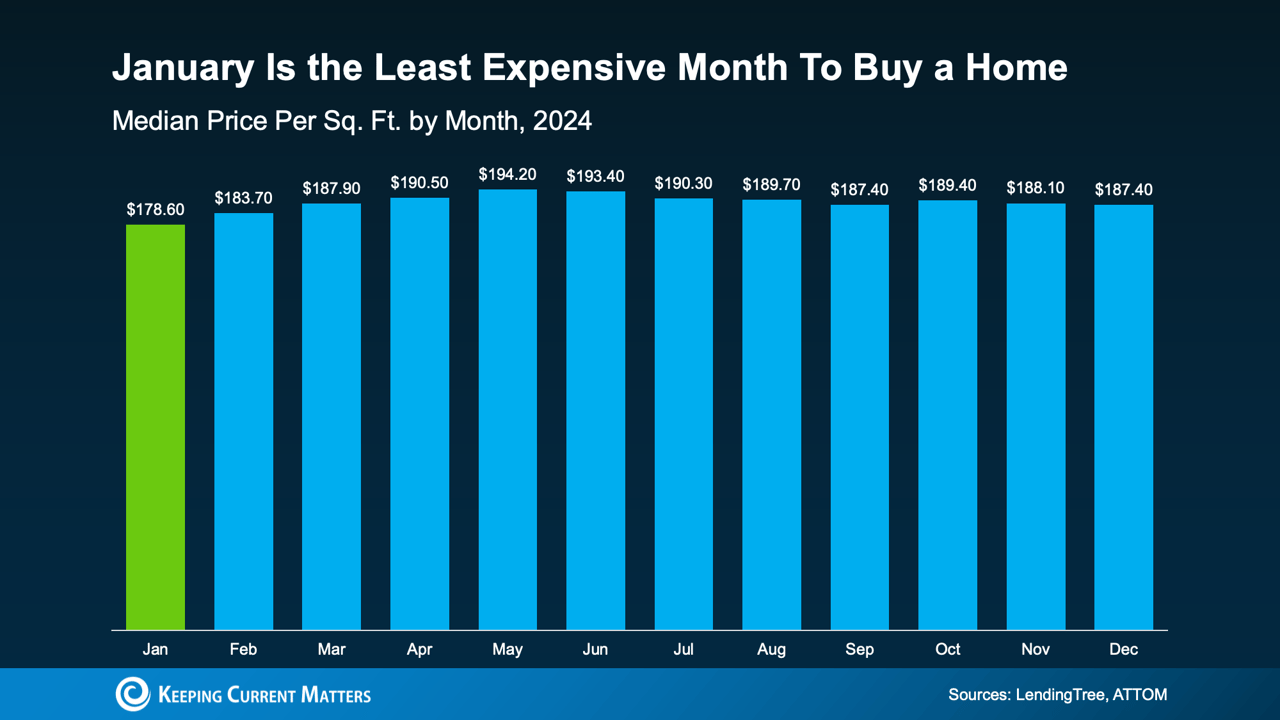
According to LendingTree and ATTOM, January had the lowest median price per square foot in the last full year of data. In their 2024 snapshot, January came in at $178.60 per square foot, while the high point landed in May at $194.20 per square foot.
When you apply that gap to a typical 1,500 square foot home, the difference is meaningful:
-
January purchase price (1,500 sq ft at $178.60): $267,900
-
May purchase price (1,500 sq ft at $194.20): $291,360
-
Estimated difference: $23,460
That does not mean every home in every neighborhood follows this exact pattern. Tampa Bay is hyper local, block by block, building by building. But the national trend is a helpful lens, and it aligns with what we often see here: early year buyers can have more room to negotiate, especially when they are fully prepared.
Suggested image caption for your blog: “National data shows January had the lowest median price per square foot in 2024, which can translate to meaningful savings depending on home size and price point. Sources: LendingTree, ATTOM.”
Why January can give buyers more leverage
1) Fewer buyers means less noise
In many markets, including Tampa and St. Petersburg, buyer activity often feels more measured in January than it does later in Q1 and into spring. A quieter buyer pool can translate into:
-
Fewer multiple offer situations
-
More time to make a thoughtful decision
-
Less pressure to waive protections that matter
When the pace is calmer, buyers can focus on what actually creates long term satisfaction: location, layout, condition, HOA rules (if applicable), and a smart financial plan.
2) Motivated sellers are easier to identify
January listings can fall into two categories.
Some are simply testing the market. Others have a firm reason for selling: a relocation, a timeline, a new home already under contract, a life change.
When demand is not at its peak, the sellers with real motivation are often more open to:
-
Closing cost contributions
-
Repairs or credits after inspection
-
Flexible timelines
-
Price improvements when the market has spoken
This is where professional guidance matters most. Negotiation is not just about getting a lower number. It is about structuring terms that create a cleaner path to the closing table.
3) Concessions can matter as much as price
Even when a seller is not willing to move much on price, they may be open to concessions that protect your cash flow and reduce friction.
In a purchase, a well negotiated package might include:
-
Closing cost credits
-
Rate buydown discussions (when available and appropriate)
-
Repair credits
-
A clean path through appraisal and inspection
January is often a month where those conversations can be more productive, especially on homes that have been sitting.
A Tampa Bay perspective: what we watch in January
Tampa Bay is not a single market. It is a collection of micro markets, each with its own rhythm.
A few examples of where timing can matter:
-
Condos in Downtown St. Pete, along the waterfront, and in resort style communities: HOA rules, reserves, and building financials can carry as much weight as the list price. A January contract can give you more time to review documents carefully without feeling rushed.
-
South Tampa and established neighborhoods with limited inventory: the best homes can still move quickly regardless of month. January can be advantageous if you are ready to act the moment the right home appears.
-
New construction corridors and growing communities: builders may offer incentives at certain times of year, but the details matter. Incentives can come with specific lender requirements or purchase terms, so it is important to evaluate the full picture, not just the headline.
The takeaway: January can be an excellent time to buy, but only if your plan is tailored to your exact property type and neighborhood.
The January Buyer Playbook: how to buy strategically
If you are considering a January purchase, preparation is what turns “seasonal opportunity” into real savings.
Step 1: Get crystal clear on your non negotiables
Before touring, define the items you will not compromise on, such as:
-
Neighborhood or commute radius
-
Lot type (if relevant)
-
Minimum bedroom count or office needs
-
Condo requirements (parking, pet policies, rental rules)
-
Renovation tolerance
Clarity prevents emotional decisions, and it helps you move quickly when the right home shows up.
Step 2: Treat financing like a strategy, not a formality
The strongest buyers in any season are the ones who can perform.
That usually means:
-
Full pre approval, not just pre qualification
-
A plan for down payment and reserves
-
A clear understanding of total monthly cost (including insurance and HOA fees where applicable)
When your financial plan is solid, negotiation becomes much easier because your offer is credible.
Step 3: Focus on days on market and momentum
In January, we pay close attention to two signals:
-
How long the home has been listed
-
Whether there have been price adjustments
A home that has been sitting can represent an opportunity, but only when paired with a thoughtful offer structure.
Step 4: Make your offer clean and confident
Strong offers are not always the highest. They are often the clearest.
Depending on the property and situation, that might mean:
-
A straightforward timeline
-
Tight, reasonable contingencies
-
Clear deposit terms
-
Professional communication and a strategic ask
This is where experienced representation changes outcomes. Clean does not mean risky. It means intentional.
Step 5: Protect your future with strong due diligence
January buyers sometimes feel tempted to “move fast.” The right approach is “move smart.”
Do not shortcut the protections that matter:
-
Thorough inspections
-
Condo document review when applicable
-
Insurance planning early in the process
-
Clear understanding of any HOA restrictions
A great deal is only great if it holds up after due diligence.
Should you wait for spring?
Spring will likely bring more listings. It will also bring more buyers, and in many cases, more competition.
If you are ready now, waiting can sometimes mean:
-
Higher prices
-
More pressure
-
More bidding situations
-
Fewer concessions
That does not mean January is right for everyone. Timing should always support your life, your cash flow, and your comfort level.
But if you have been thinking about making a move, do not assume you need to wait for a different season to find opportunity. In many cases, the quieter months are exactly where the best strategy lives.
Bottom line
Is January the best time to buy a home in Tampa Bay? It can be, especially for prepared buyers who value negotiation leverage, a calmer pace, and a more intentional process.
National data suggests January trends lower on price per square foot, and the real advantage locally often shows up in terms: credits, concessions, and the ability to negotiate with clarity.
If you would like, we can help you evaluate whether a January purchase makes sense for your specific goals, price point, and neighborhood. The right plan starts with your numbers, your priorities, and a clear strategy, not guesswork.

Annie & Kevin Rocks | Rocks Realty
Annie: 727-777-3264
Kevin: 727-389-6453